Independent Living Starts With Better Accessibility
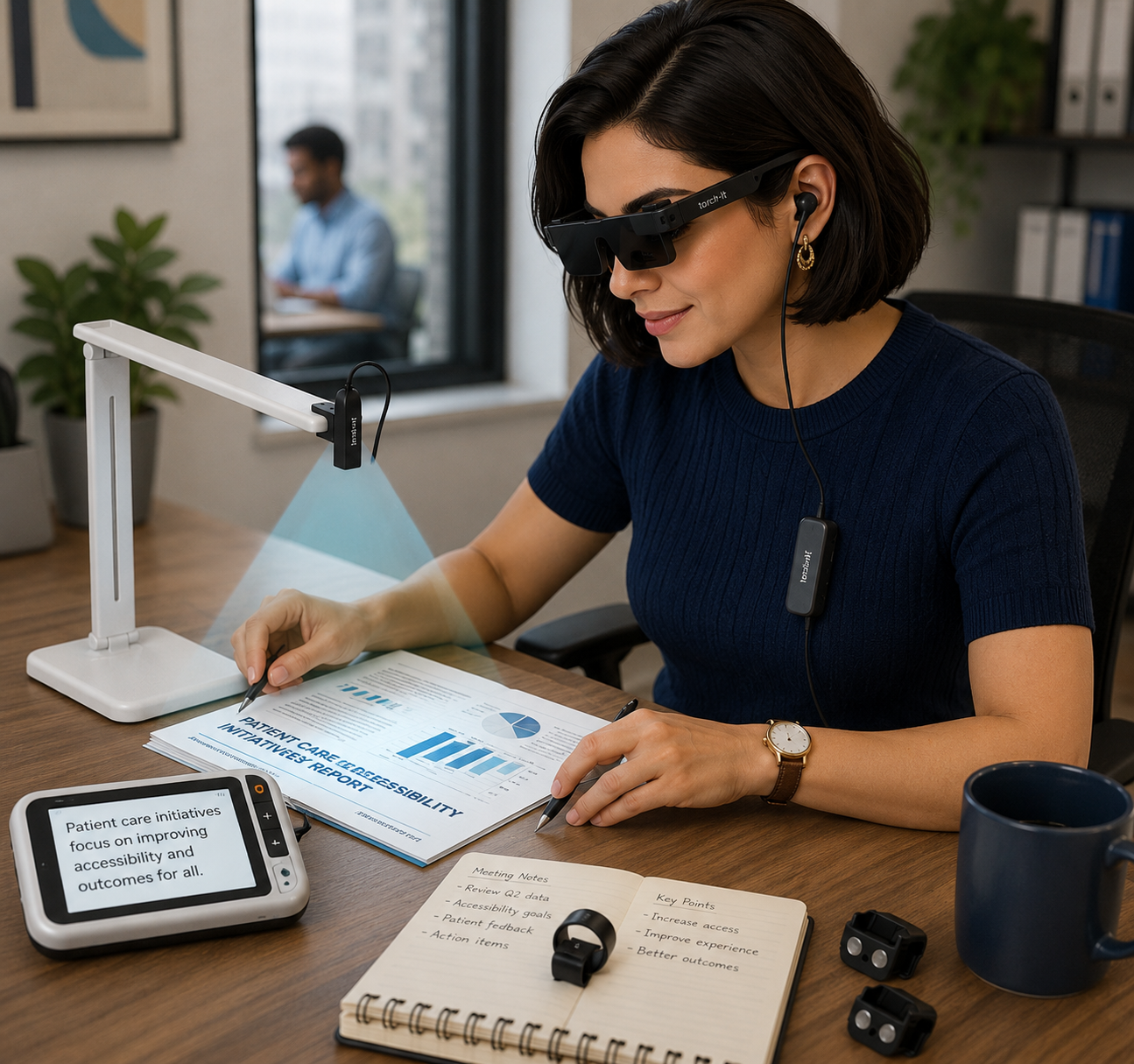
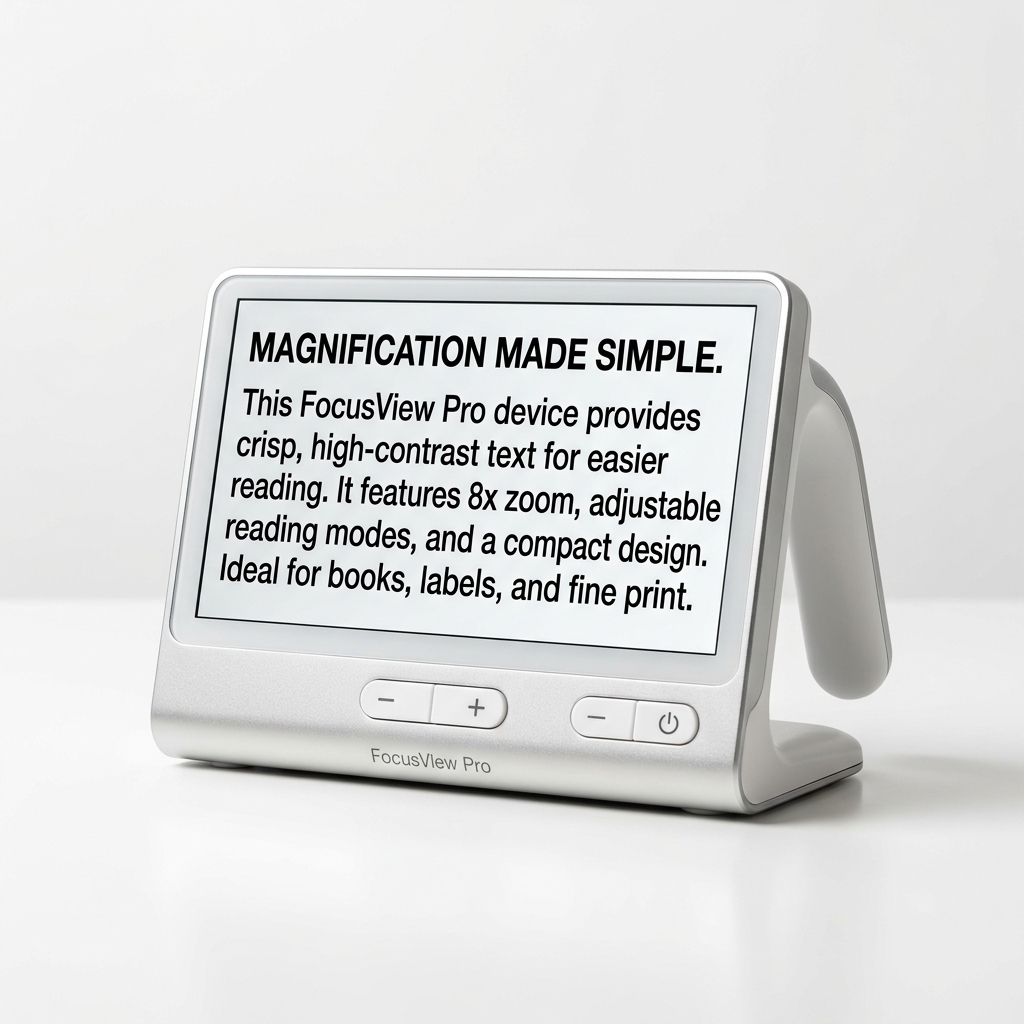
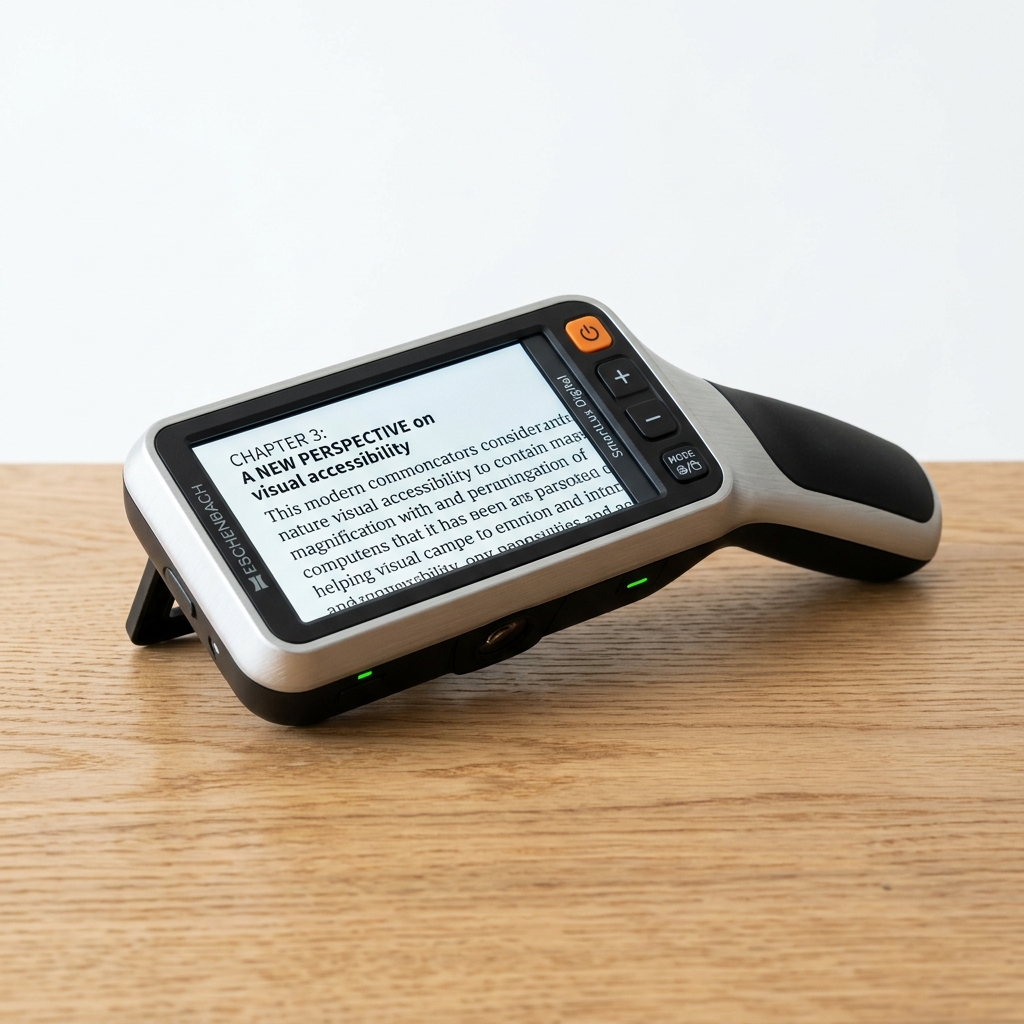
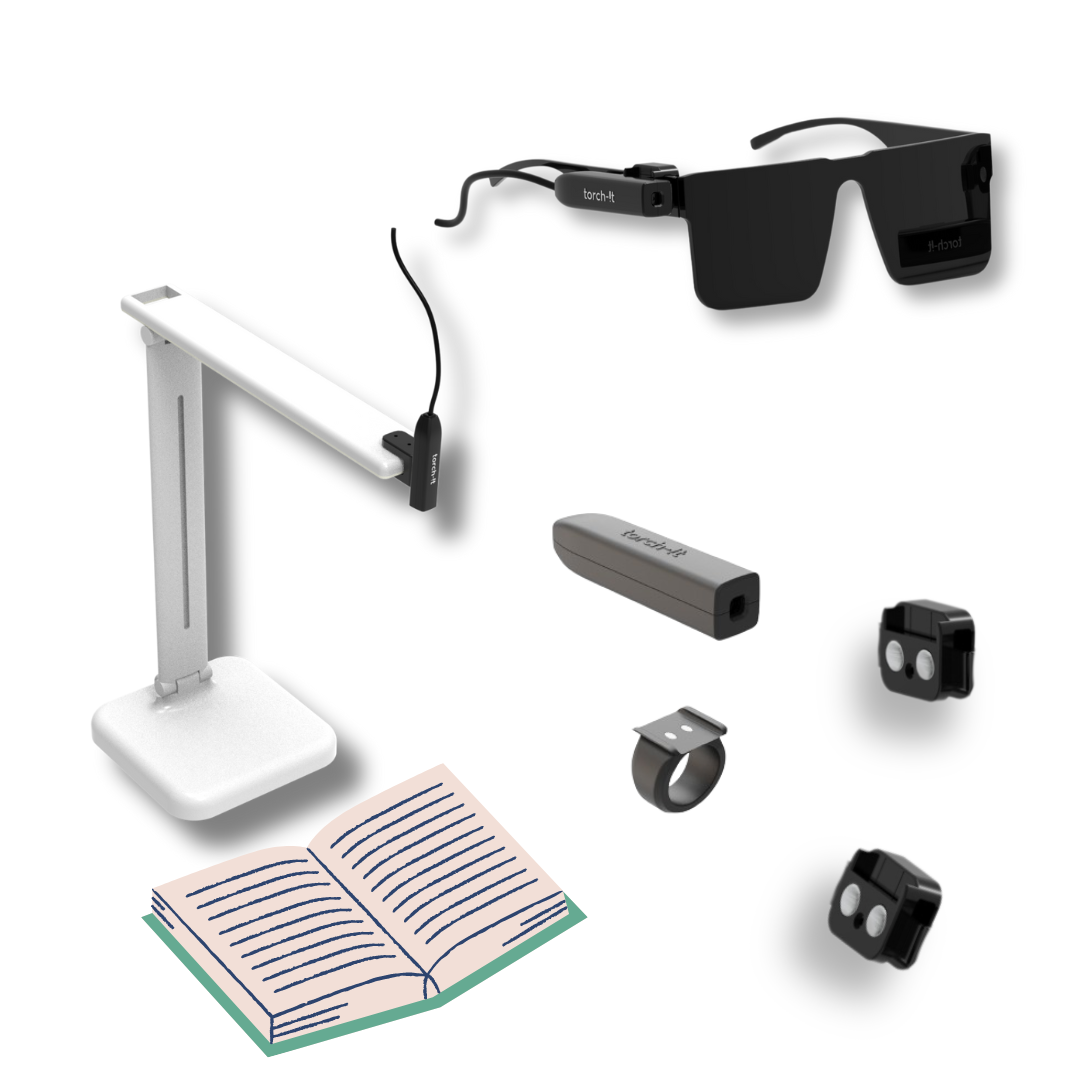
Low vision should never limit independence. Torchit low vision solutions combine assistive technology, magnification tools, digital accessibility products, and AI-powered support systems designed to improve reading, learning, daily living, and accessibility.
What is Low Vision?
Low vision is a visual impairment that cannot be fully corrected using standard glasses, contact lenses, medication, or surgery. Individuals with low vision may experience blurred vision, reduced contrast sensitivity, tunnel vision, central vision loss, blind spots, or difficulty recognizing faces and reading printed text.
Many people with low vision retain some usable sight but require accessibility support and assistive technology to perform daily activities independently.
Everyday Tasks Can Become Significant Barriers
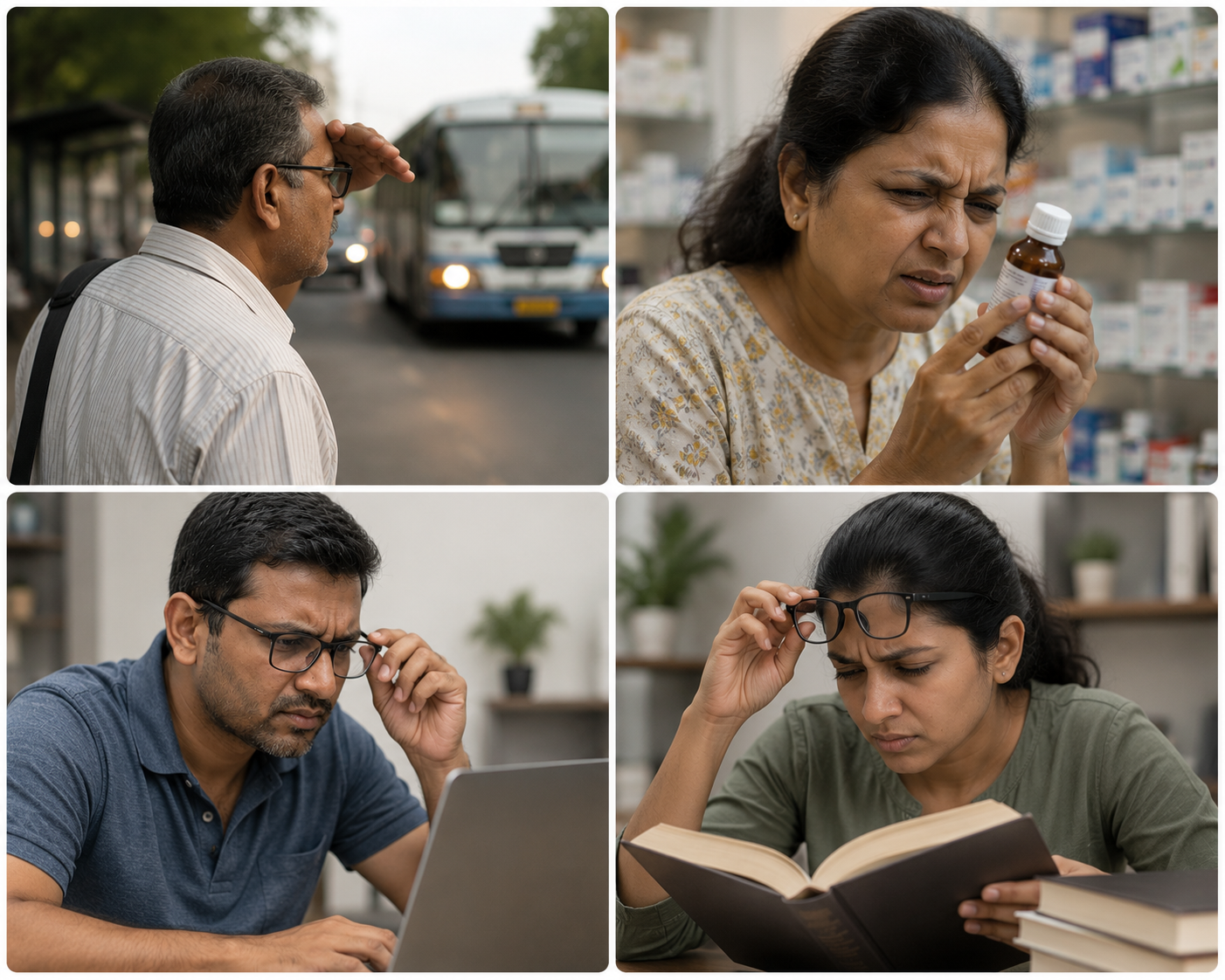
People with low vision often encounter challenges that affect education, employment, mobility, and independence.

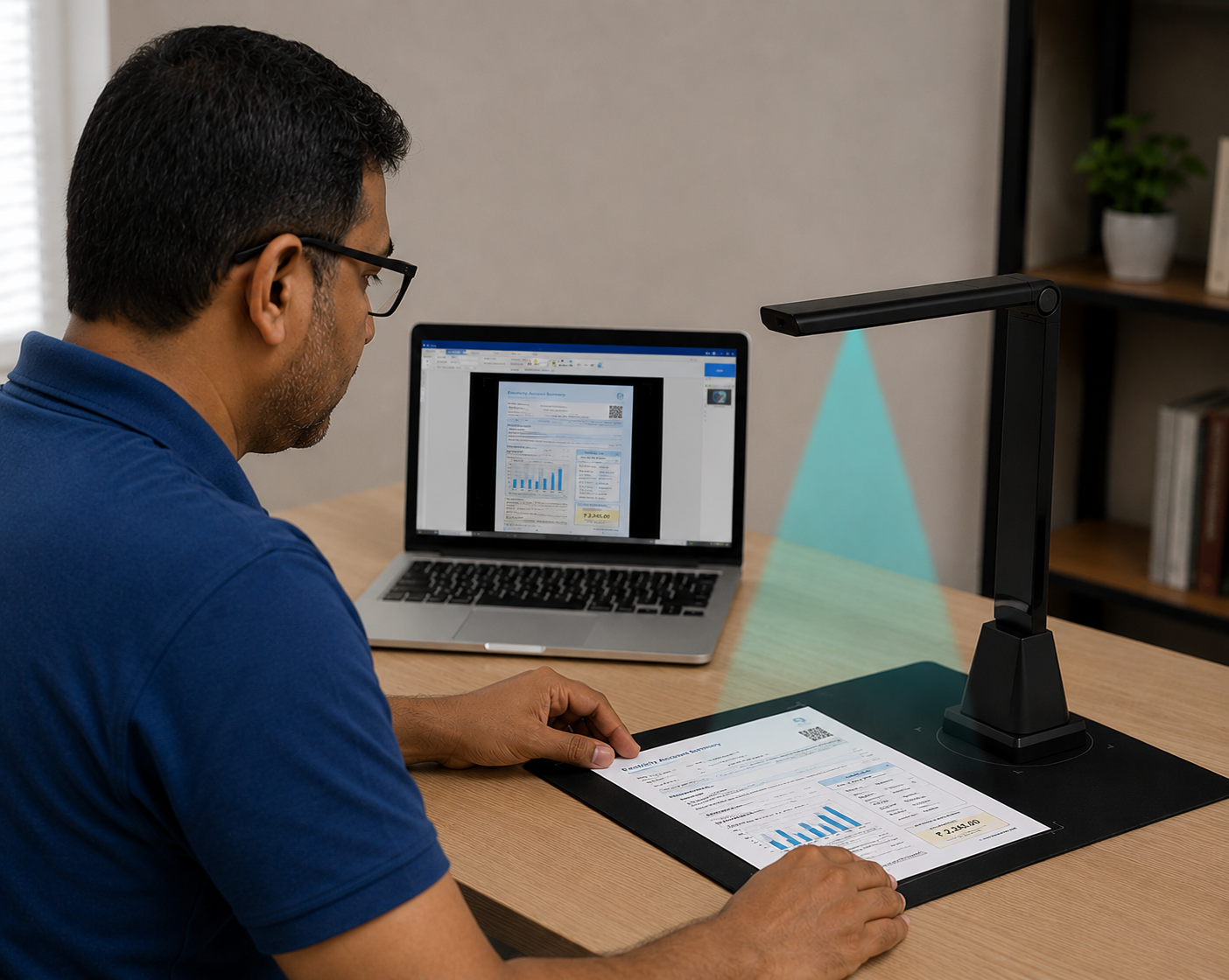
Reading Printed Information
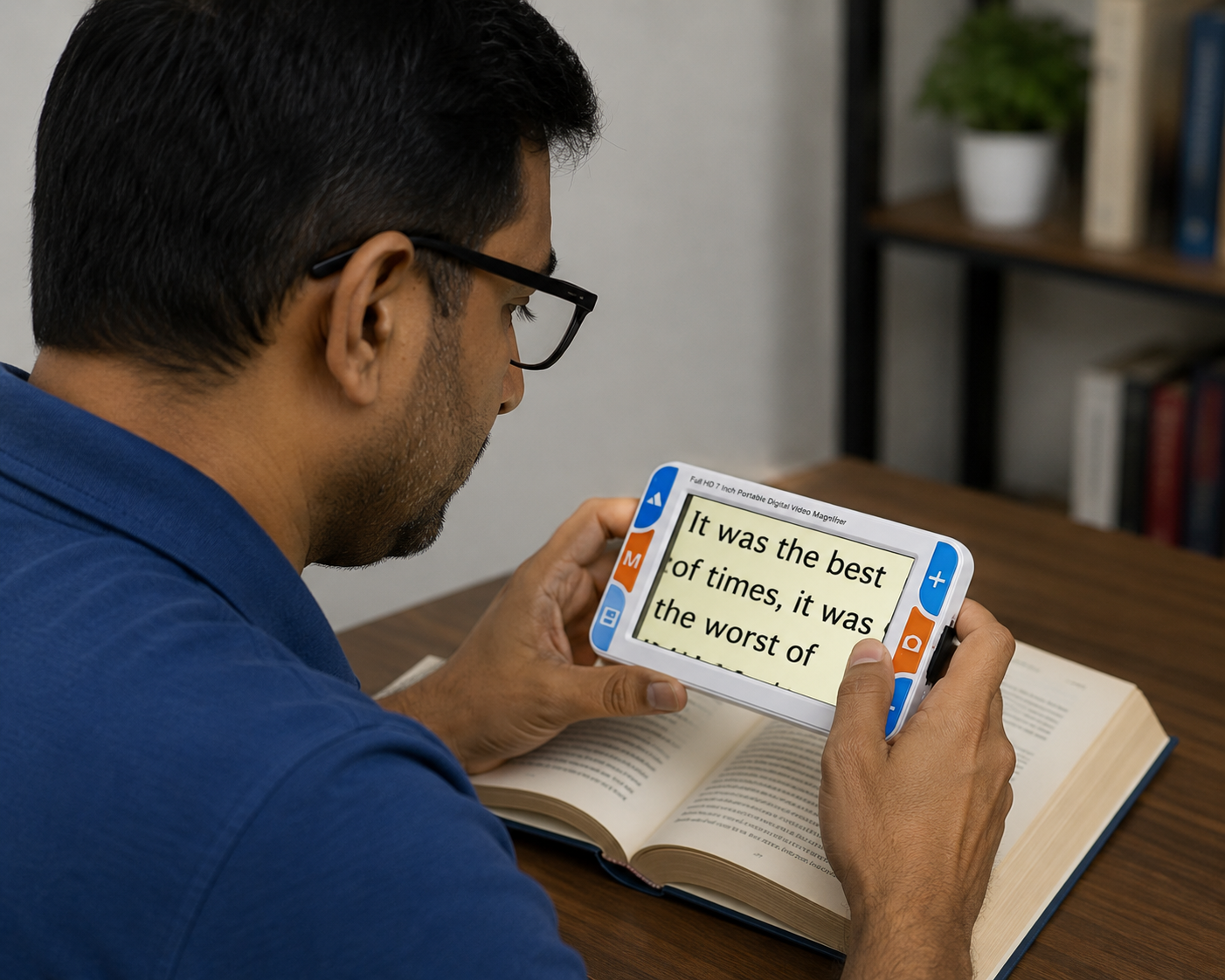
Reading textbooks, medicine labels, menus, receipts, or forms may become difficult because of reduced clarity or limited field of vision.
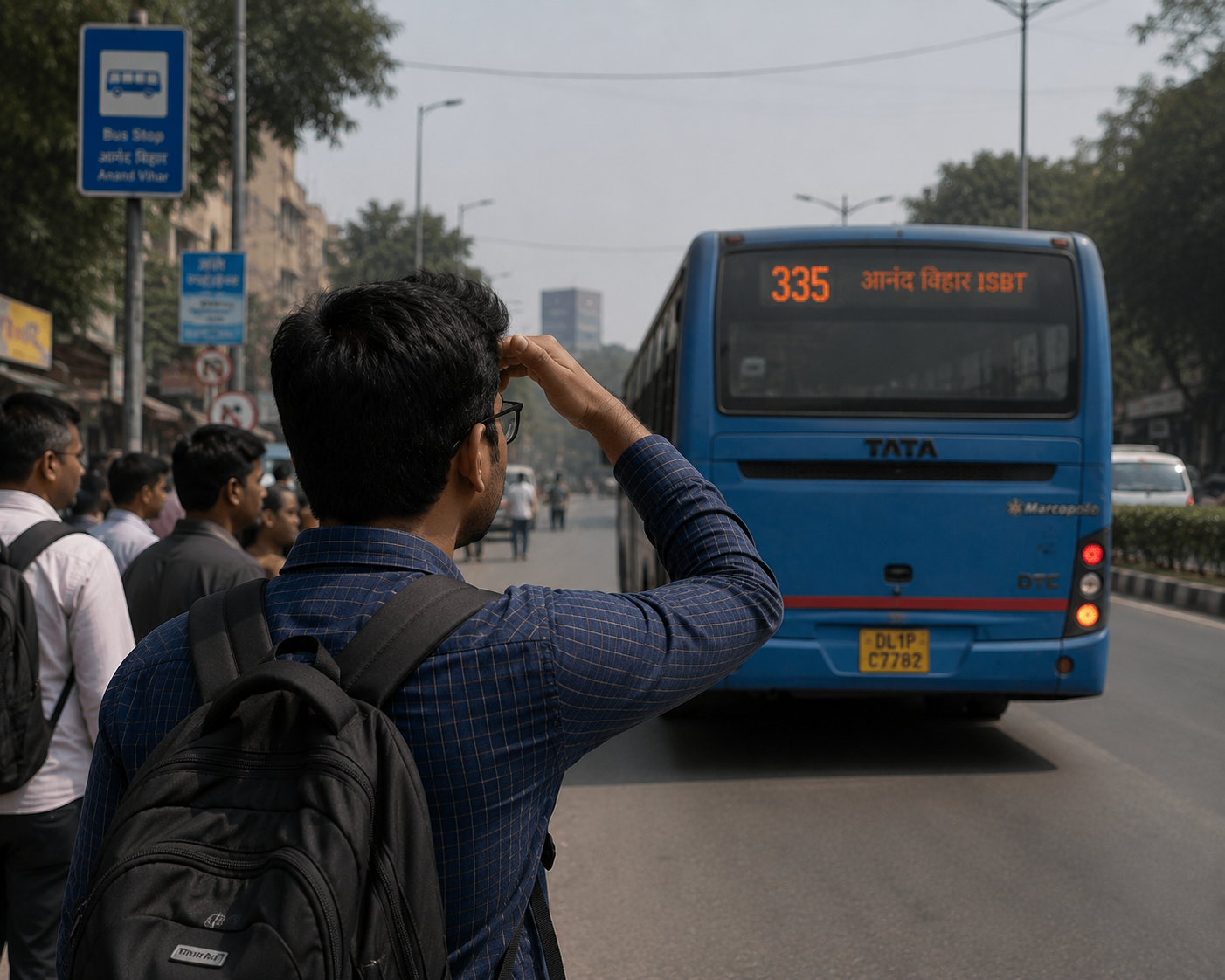
Identifying Distant Information
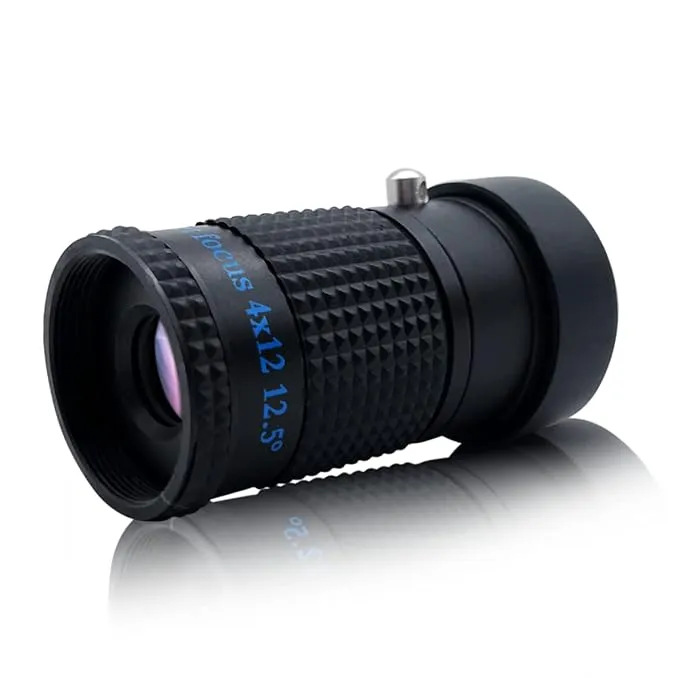
Bus numbers, classroom boards, street signs, digital displays, and public information boards may be hard to recognize.

Digital Accessibility
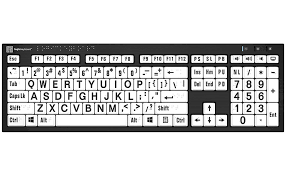
Computers, smartphones, websites, and interfaces can become difficult to use without magnification tools or accessibility adaptations.

Education Accessibility
Students with low vision often require accessible learning tools to participate equally in classrooms.

Independent Navigation
Moving safely through unfamiliar environments may become challenging when visual details are difficult to detect.

Everyday Independence
Daily tasks like shopping, identifying products, recognizing currency, or locating personal belongings may require additional support.
Technology Creates Better Accessibility
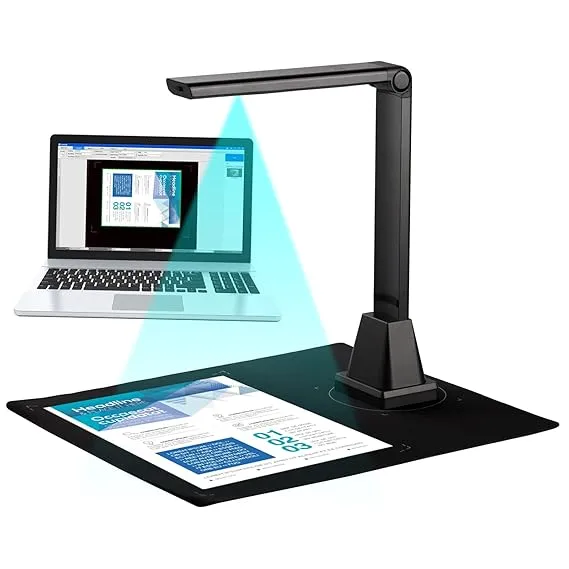
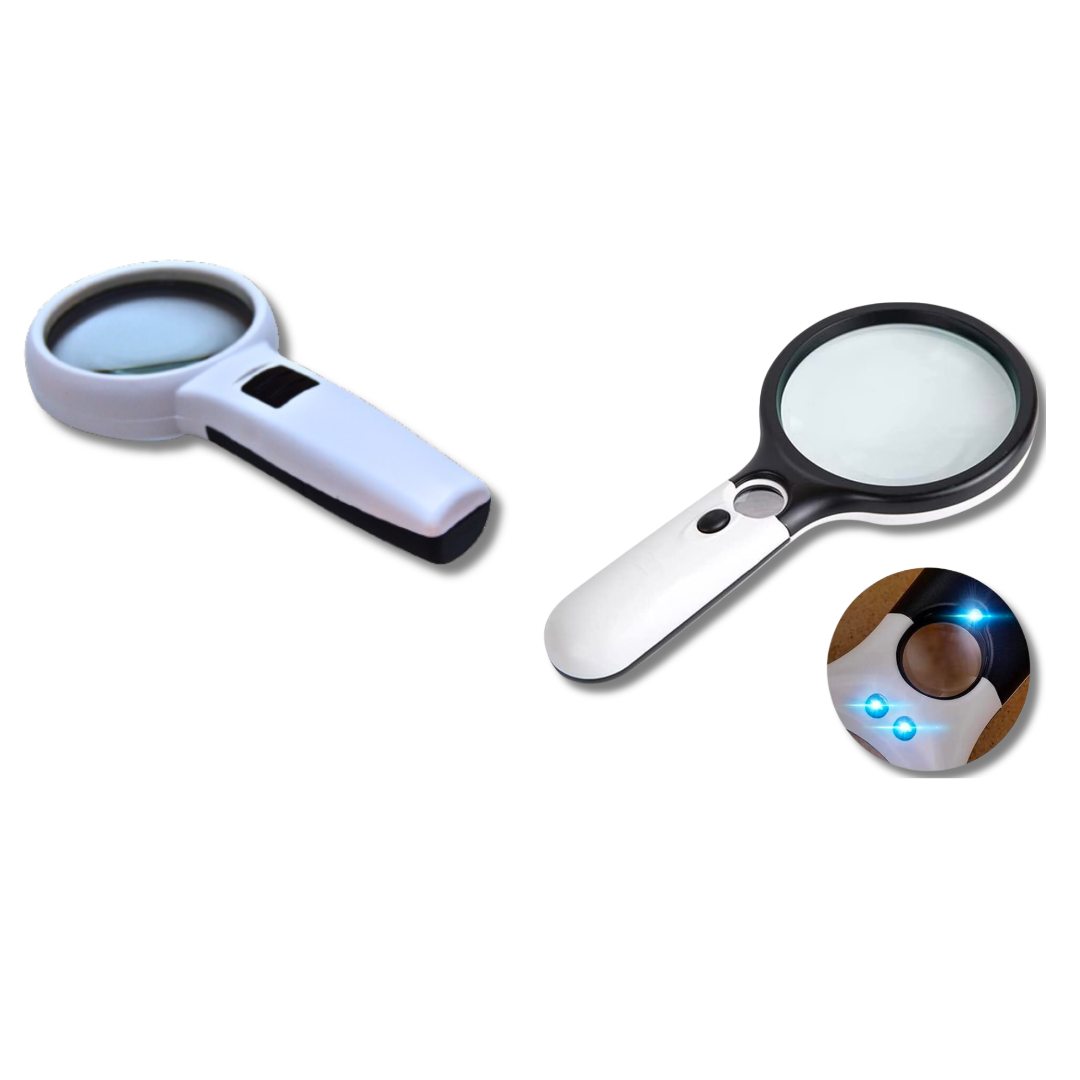
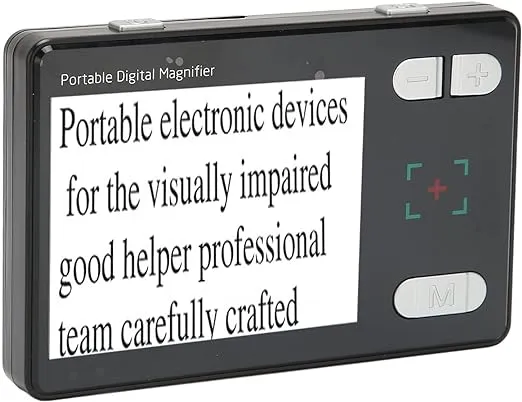
Assistive technology improves independence by helping individuals access information more effectively. Modern accessibility tools can help users:
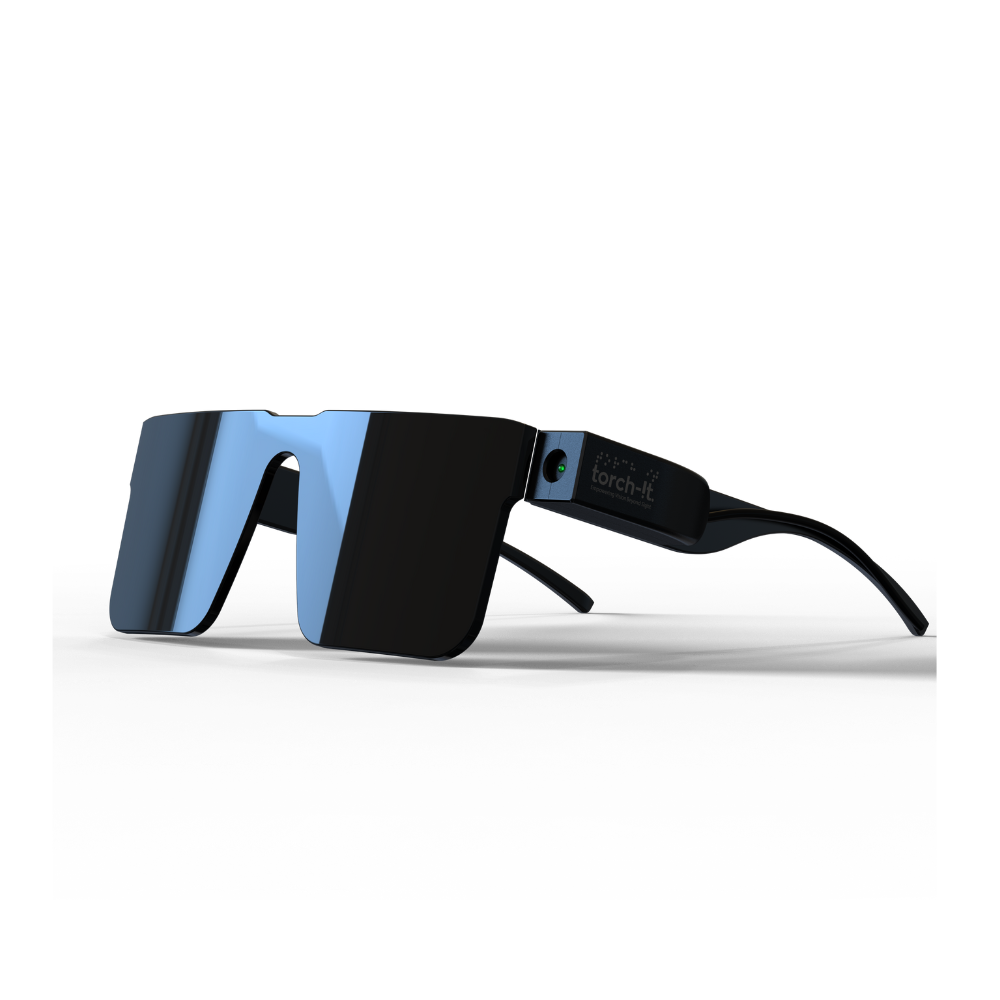
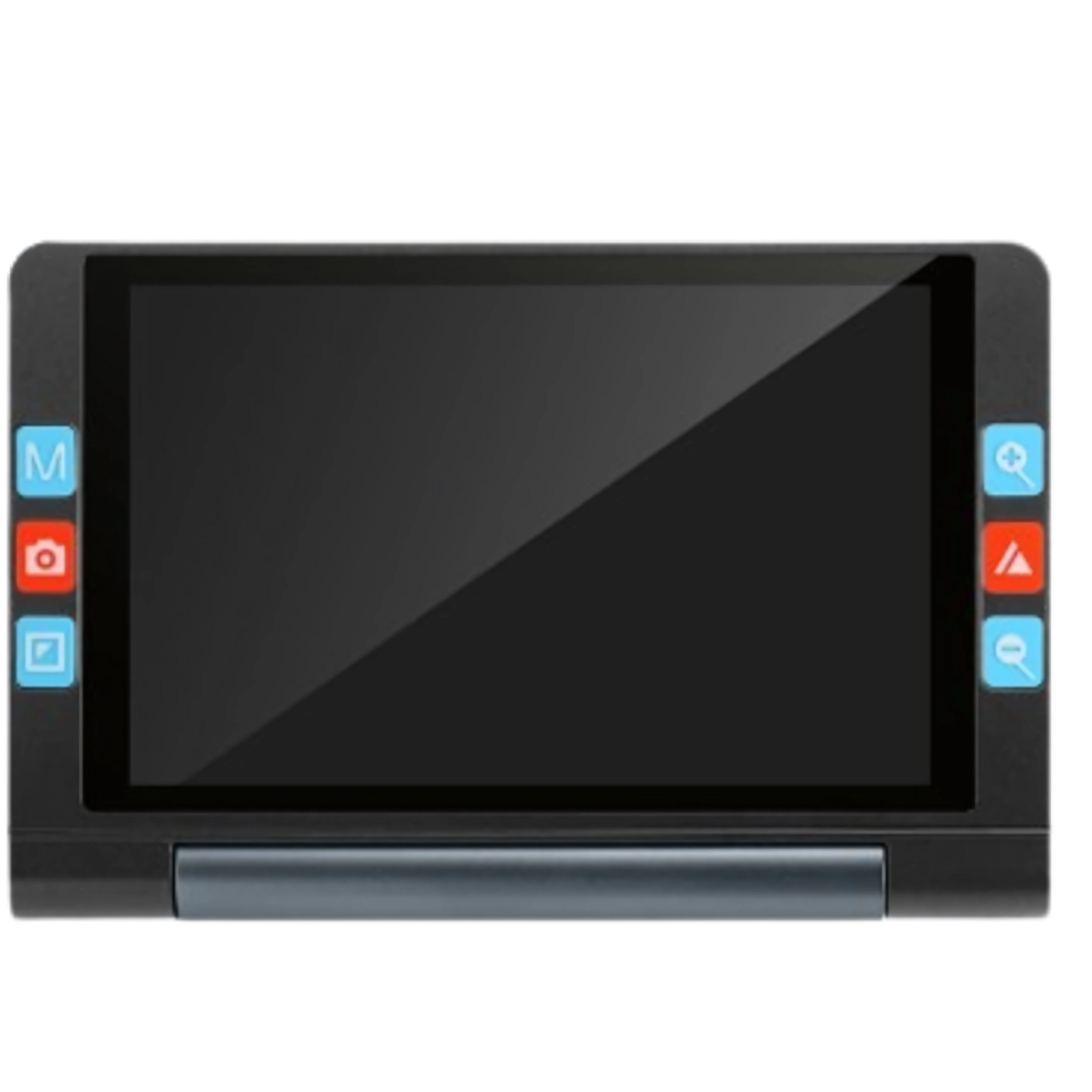
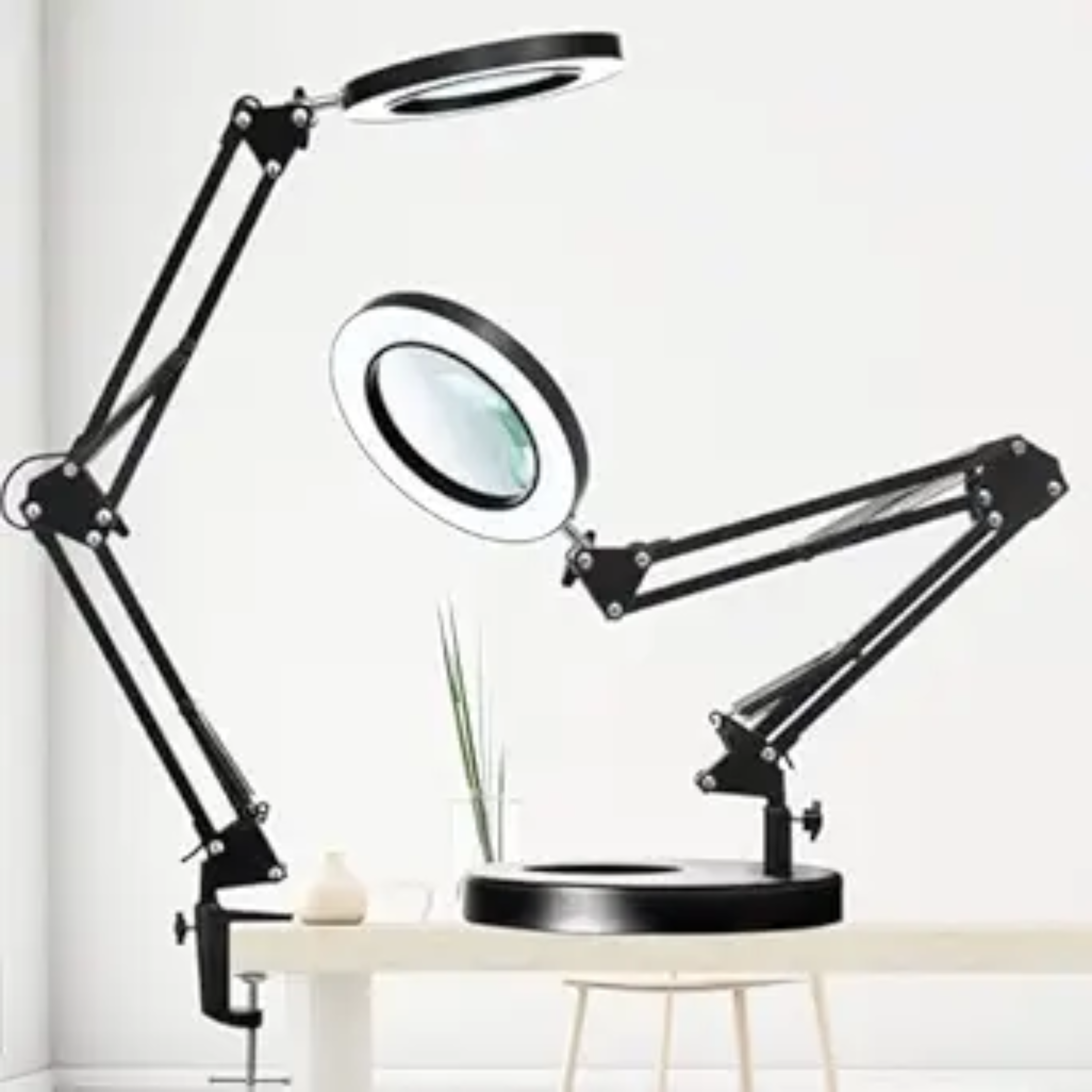
Low Vision Solutions Available Through Torchit
Torchit works toward improving accessibility through assistive technology solutions designed to support learning, accessibility, and independence.

Creating Accessible Learning Environments
Students with low vision benefit significantly from accessible educational environments that remove barriers to learning. Inclusive classrooms support equal participation, better learning outcomes, higher confidence, greater independence, and improved accessibility.
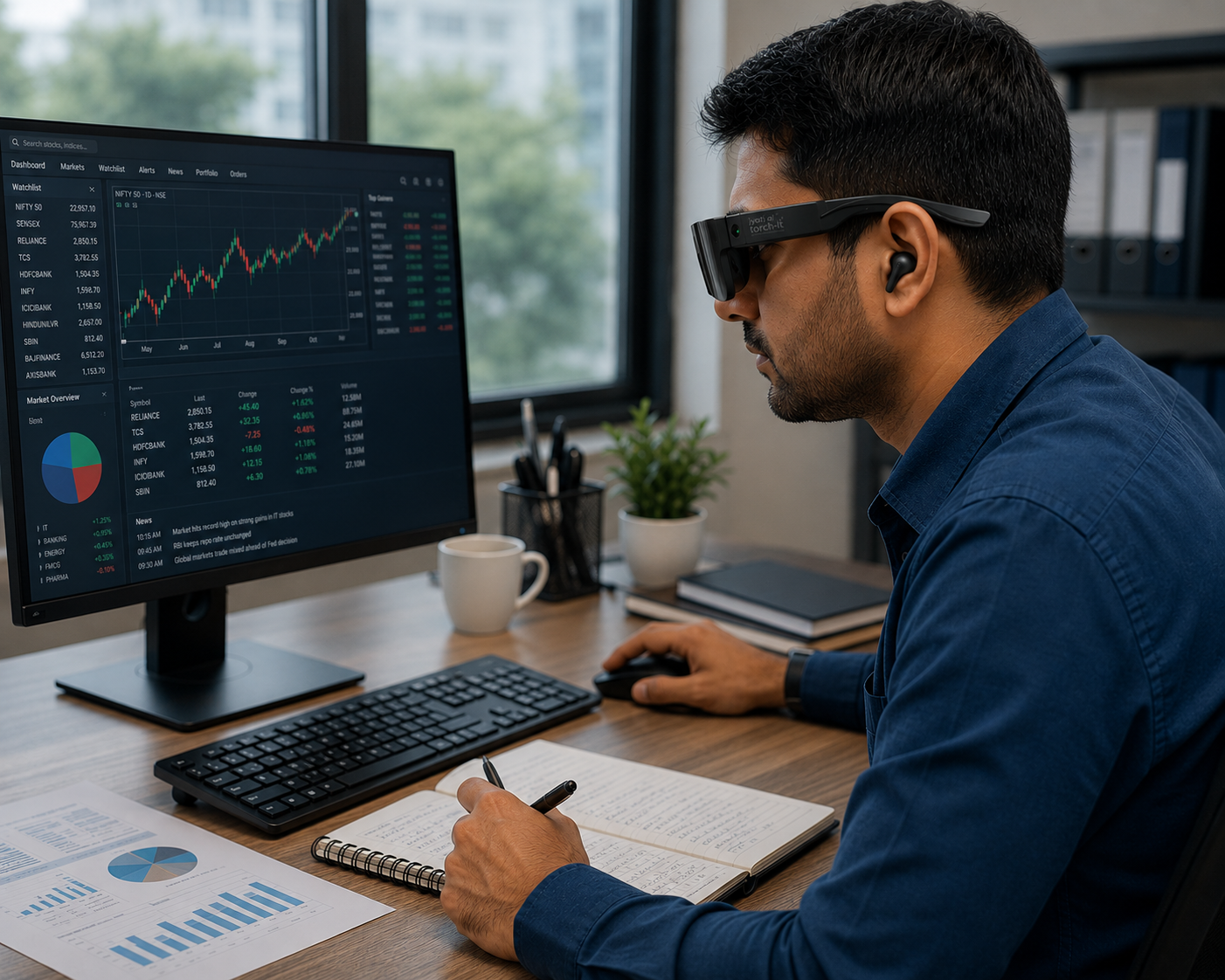
Accessibility Creates Better Employment Opportunities
Workplace accessibility improves participation and independence. Accessible environments contribute toward greater inclusion and equal opportunities for all employees.
Low vision accessibility tools can support reading workplace documents, accessing software systems, viewing presentations, improving productivity, and supporting communication.
Why Accessibility Matters
Accessibility is not only about technology. Accessibility creates opportunities. Assistive technology helps bridge accessibility gaps and enables greater participation across everyday life.
Torchit Commitment
Torchit focuses on creating affordable assistive technology solutions that improve accessibility and independence. The goal remains consistent: Creating solutions that improve independence, accessibility, and participation for individuals with disabilities.
Accessibility Through Innovation
Global accessibility initiatives across multiple regions. Assistive technology designed for independence and inclusion.
Frequently Asked Questions